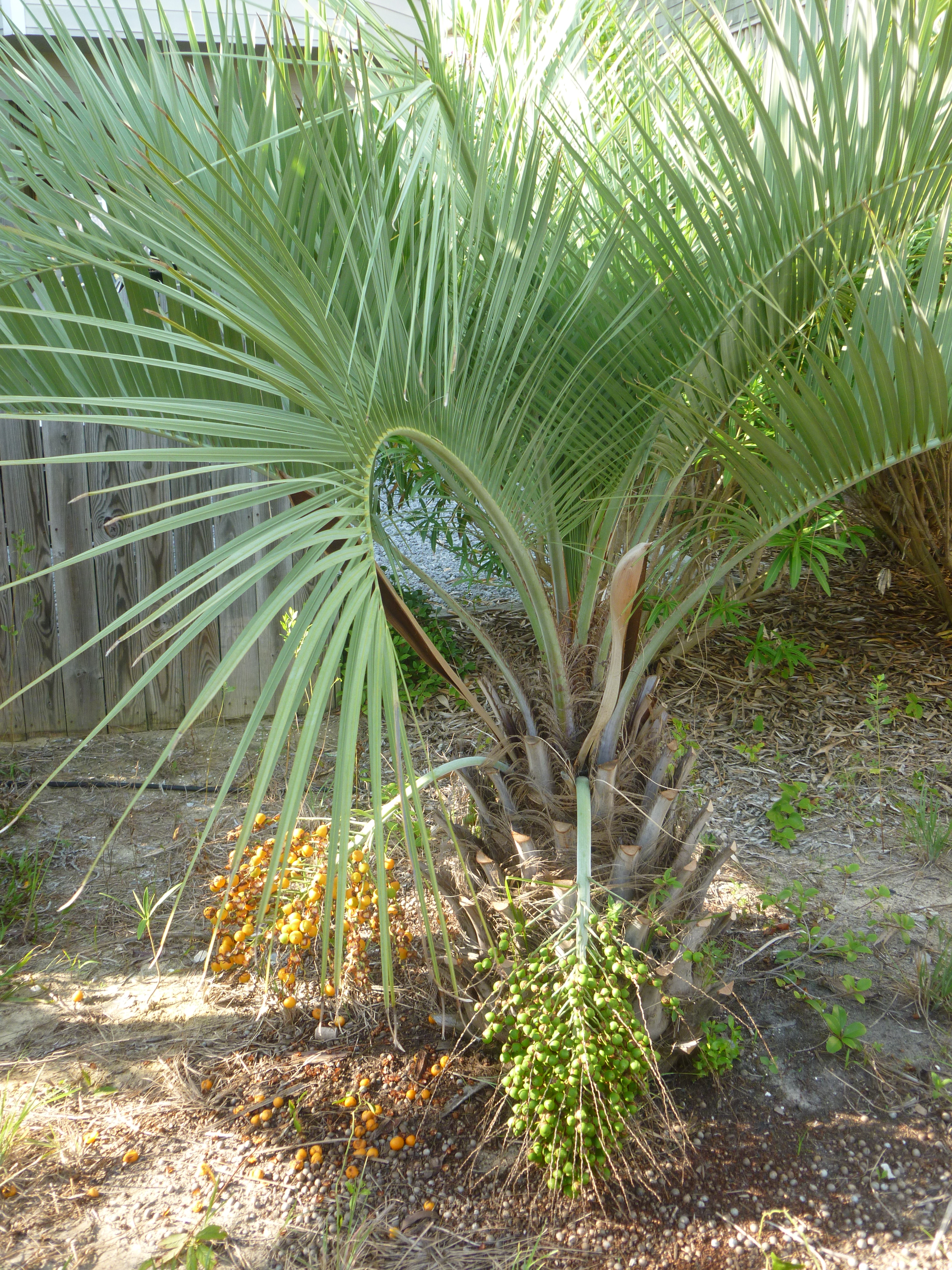
The Pindo Palm (Butia capitata), is a hardy and beautiful palm tree that is native to South America. It is a popular choice for landscaping in warmer regions and can add a touch of tropical beauty to any outdoor space.
One of the most important aspects of growing a Pindo Palm is choosing the right location. This palm tree thrives in full sun but can also tolerate partial shade. It prefers well-drained soil and can tolerate a range of soil types, including sandy, loamy, and clay soils. However, it is important to ensure that the soil is not waterlogged, as this can lead to root rot.
Proper watering is another crucial aspect of growing a healthy Pindo Palm. It is important to keep the soil around the palm moist, especially during the first few years of growth. Once established, this palm can tolerate dry periods, but it is important to ensure it receives enough water during prolonged droughts to maintain its health.
Fertilizing the Pindo Palm is also important for its health and vitality. The palm should be fertilized with a balanced, slow-release fertilizer every three to four months during the growing season. This will help provide the palm with the necessary nutrients to support healthy growth.
Pruning is another important aspect of maintaining a healthy Pindo Palm. It is important to remove any dead, damaged or discolored fronds regularly to keep the palm looking neat and tidy. It is also important to remove any old fronds that have not fallen off naturally, as these can become a safety hazard if they fall off the tree.
The Pindo Palm is relatively resistant to pests and diseases, but it can be susceptible to mealybugs and scale insects. Regular inspection of the palm for signs of infestation and appropriate treatment can help prevent damage to the plant.
One of the most unique features of the Pindo Palm is its edible fruit. The fruit is yellow to orange in color and is about the size of a small apple. It is sweet and has a tropical flavor, making it a popular ingredient in jams, jellies, and other culinary uses.
In conclusion, the Pindo Palm is a stunning and hardy palm tree that can add a touch of tropical beauty to any landscape. By planting it in a suitable location, providing proper watering, fertilization, and pruning, you can enjoy this magnificent palm for many years to come. Its adaptability to a range of growing conditions, relative resistance to pests and diseases, and unique edible fruit make it a versatile and popular choice for many gardens.