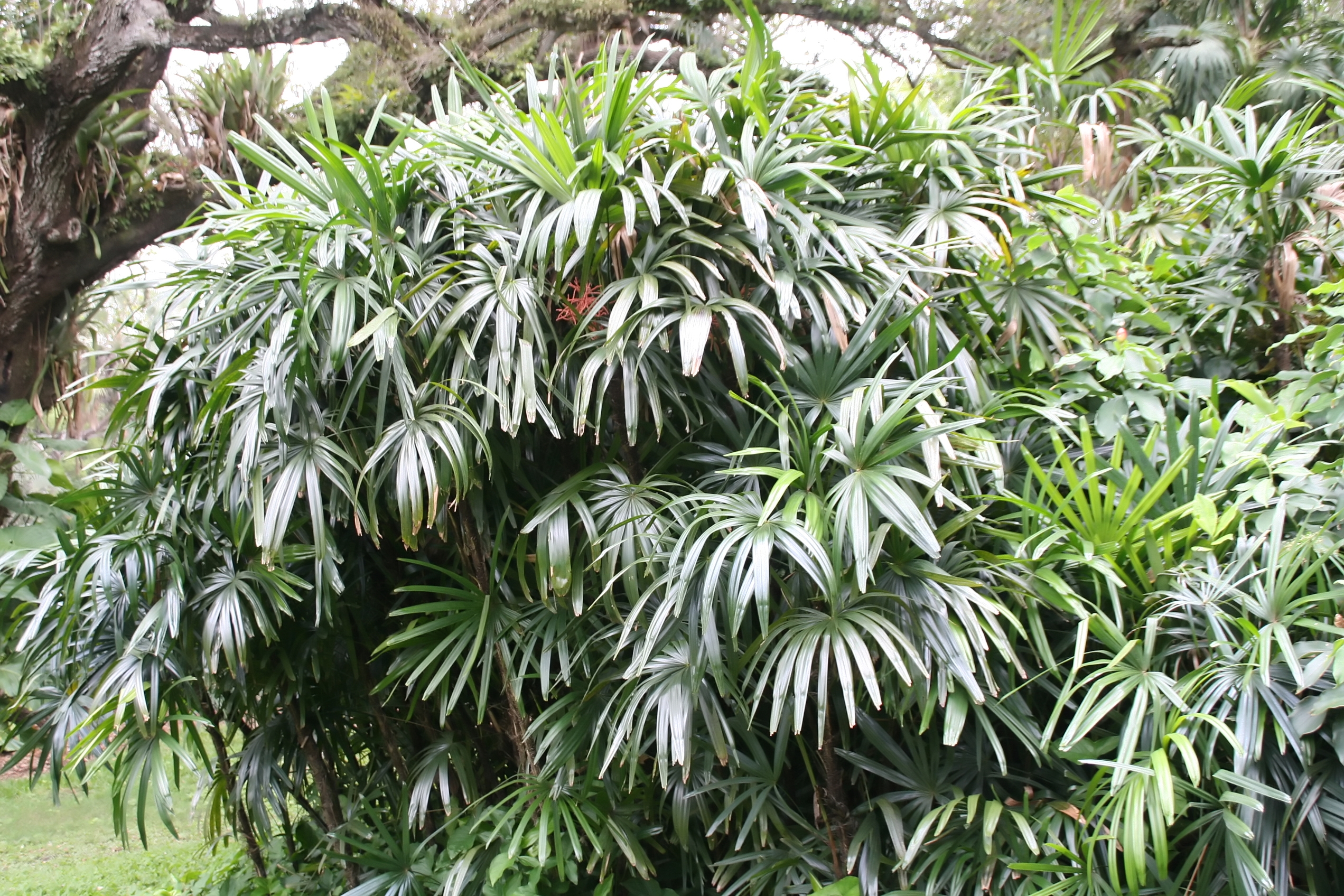
Lady Palm (Rhapis excelsa), also known as broadleaf lady palm or bamboo palm, is a popular houseplant that is native to southern China and Taiwan. This slow-growing, clumping palm tree has become popular in the horticultural world because of its attractive appearance, durability, and ability to tolerate low light and indoor conditions. In this article, we will explore the features of this plant, its benefits, and the essential aspects of growing it.
Lady Palm is a small to medium-sized palm tree that grows up to 1.8 to 3 meters tall, with dense clusters of erect stems that are covered with dark green, glossy leaves. These leaves are palmate, which means they are shaped like a hand with several fingers. The leaves are deeply divided into broad segments and have a distinct rib in the center.
The stems of the Lady Palm are thin and bamboo-like, and they are covered with a brown, fibrous layer that resembles a bamboo stalk. Lady Palm is a slow-growing plant and can take several years to reach its full height.
There are several benefits to having Lady Palm in your home or office. One of the most significant advantages of Lady Palm is its ability to purify the air. This plant removes toxins such as benzene, formaldehyde, and trichloroethylene from the air, making it a valuable addition to any indoor space.
In addition, Lady Palm is an excellent plant for those who are looking for a low-maintenance houseplant. This palm is incredibly durable and can tolerate a wide range of conditions, including low light and dry air. Lady Palm also has a long lifespan and can live for several decades when cared for properly.
Growing Lady Palm requires a bit of effort, but it is relatively easy to care for once you get the hang of it. When growing Lady Palm, it is important to consider the following aspects:
Lighting: Lady Palm prefers bright, indirect light but can tolerate low light conditions. Avoid placing the plant in direct sunlight as it can scorch the leaves.
Watering: Lady Palm likes moist but well-draining soil. Water the plant when the top inch of soil feels dry. Overwatering can cause root rot, so make sure the soil has good drainage.
Humidity: Lady Palm thrives in high humidity, so mist the leaves regularly or place a humidifier near the plant.
Temperature: Lady Palm prefers temperatures between 16-27°C (60-80°F) but can tolerate slightly cooler temperatures.
Fertilization: Fertilize Lady Palm once a month during the growing season with a balanced fertilizer.
Repotting: Lady Palm does not need frequent repotting and can be left in the same pot for several years. Repot the plant only when it becomes root-bound.
In conclusion, Lady Palm is an attractive, durable, and low-maintenance plant that can add beauty and health benefits to your indoor space. By following the essential aspects of growing it, you can enjoy this elegant palm tree for many years to come.